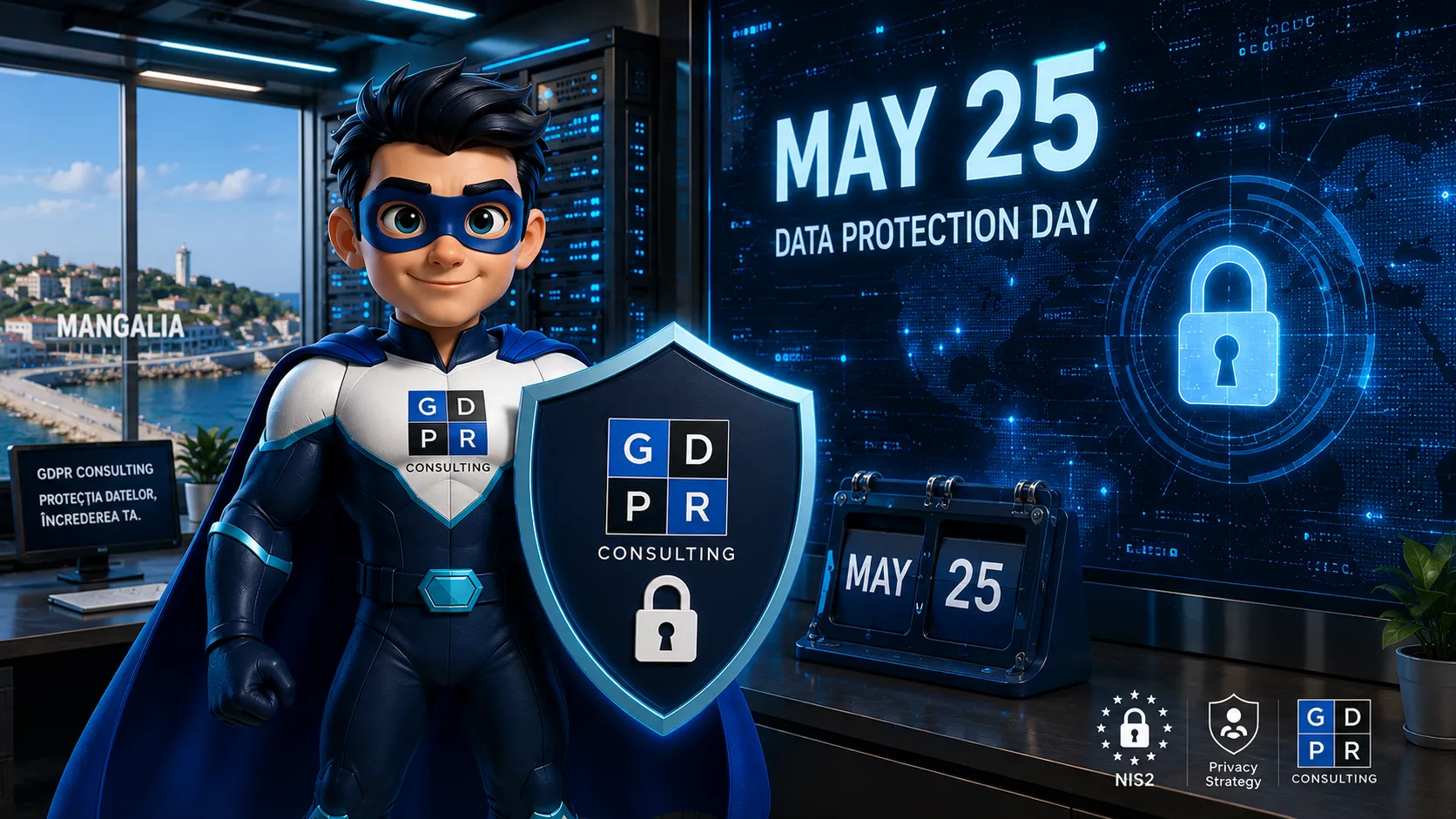
8 Years of GDPR: From Compliance to Digital Trust
On May 25, 2018, the General Data Protection Regulation (GDPR) became enforceable across all European Union member states, marking one of the most significant legislative transformations in the history of data privacy.
Today, 8 years after coming into force, GDPR is no longer just a rigid set of legal obligations. It has fundamentally become the very cornerstone of digital trust.
In an economic ecosystem dominated by accelerated digital transformation, Artificial Intelligence (AI), cloud infrastructures, and increasingly sophisticated cyber threats, protecting personal data is no longer just a compliance box to check. It is an essential condition for business continuity and organizational credibility.
What Has GDPR Changed in These 8 Years?
The implementation of GDPR has deeply reshaped how organizations collect, use, and secure personal data. Among the most critical transformations are:
- Organizational Accountability: Companies have shifted from a reactive approach to a proactive prevention model, developing clear policies, records of processing activities, and robust internal controls.
- Data Protection Culture: Privacy is no longer viewed as the exclusive responsibility of the legal or IT departments. True compliance requires the active involvement of the entire team.
- Transparency with Data Subjects: Patients, clients, and employees have become highly aware of their rights and far more vigilant about how their personal information is managed.
- Cybersecurity Integration: With the enforcement of the new NIS 2 requirements, data protection and cybersecurity have become two inseparable components of an organization's digital resilience.
GDPR in 2026: More Relevant Than Ever
Eight years later, GDPR is far from obsolete. On the contrary, it serves as the strategic framework and legal compass for the technological challenges we face today, in 2026:
- Proper data governance within Artificial Intelligence (AI) systems.
- Securing critical infrastructures.
- Preventing increasingly complex data breaches.
- Enhanced protection for minors in the online environment.
- Consolidating trust across the European digital market.
Organizations that treat data protection not as a bureaucratic burden, but as a competitive advantage, are the ones that inspire long-term trust and best withstand market shifts.
Looking to the Future
Eight years into the GDPR journey, the ultimate lesson is clear: Data protection is no longer an administrative chore; it is a strategic business asset.
Companies that embrace this build stronger relationships with their clients, mitigate operational and financial risks, and become significantly more resilient. Today, we celebrate more than just a legislative anniversary—we celebrate the maturity of digital responsibility in Europe.
- 8 years of GDPR.
- 8 years of trust.
- The future begins now.
How GDPR Consulting Supports Your Business
At GDPR Consulting, we help public and private organizations transform compliance into a tangible performance tool. Our core services include:
- ✔ Full GDPR audits and compliance frameworks
- ✔ NIS 2 readiness assessment and implementation
- ✔ Tailored professional training for employees
- ✔ Drafting of customized operational policies and procedures
- ✔ Data breach and security incident management
- ✔ Building an organizational culture centered around data privacy
We firmly believe that data protection should never mean bureaucratic gridlock—it means operational maturity.
About GDPR Consulting We provide specialized GDPR consultancy, NIS 2 alignment, auditing, training, and security strategies for organizations aiming for genuine protection and sustainable business growth.
🌐 www.gdprconsulting.ro | 📩 office@gdprconsulting.ro